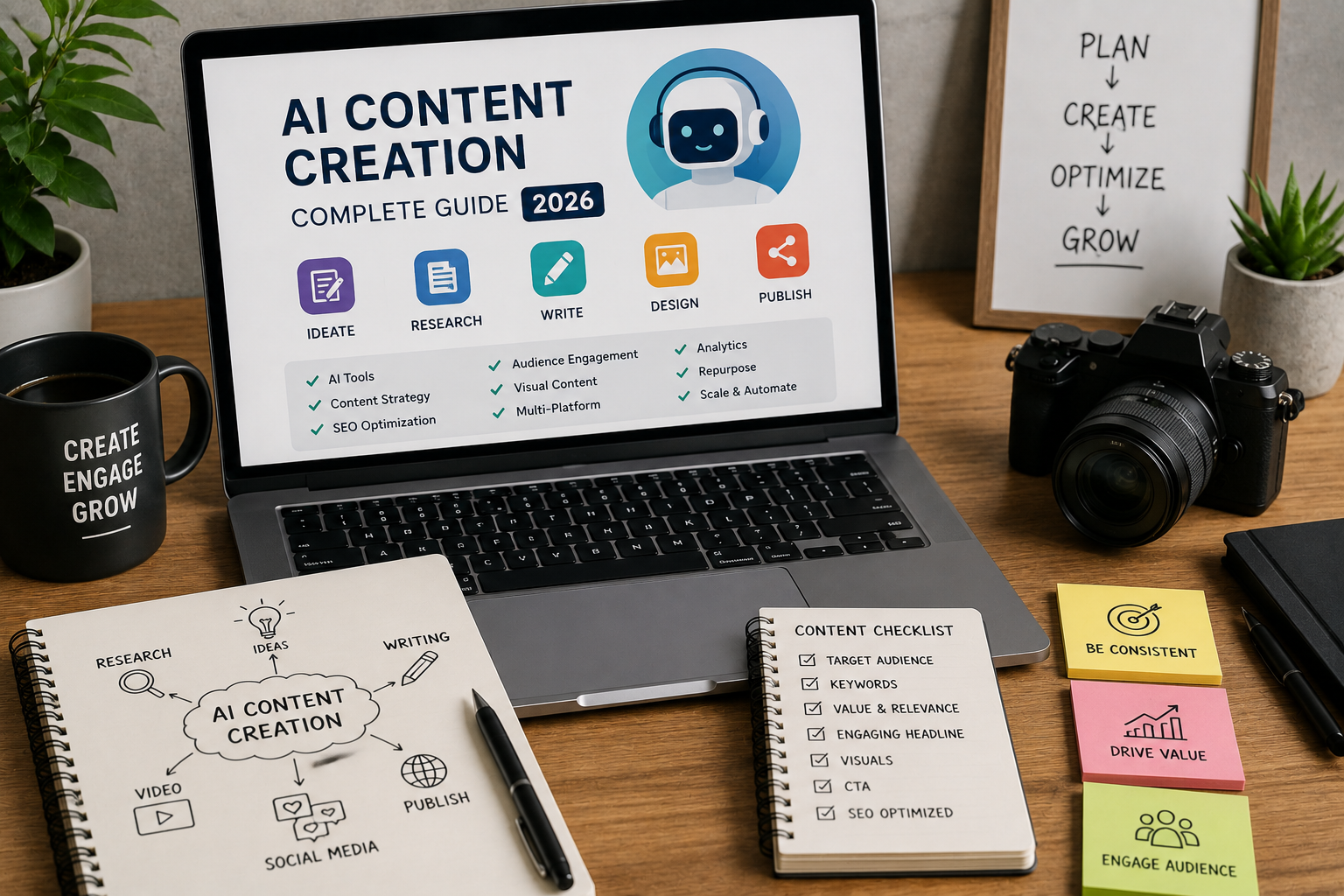

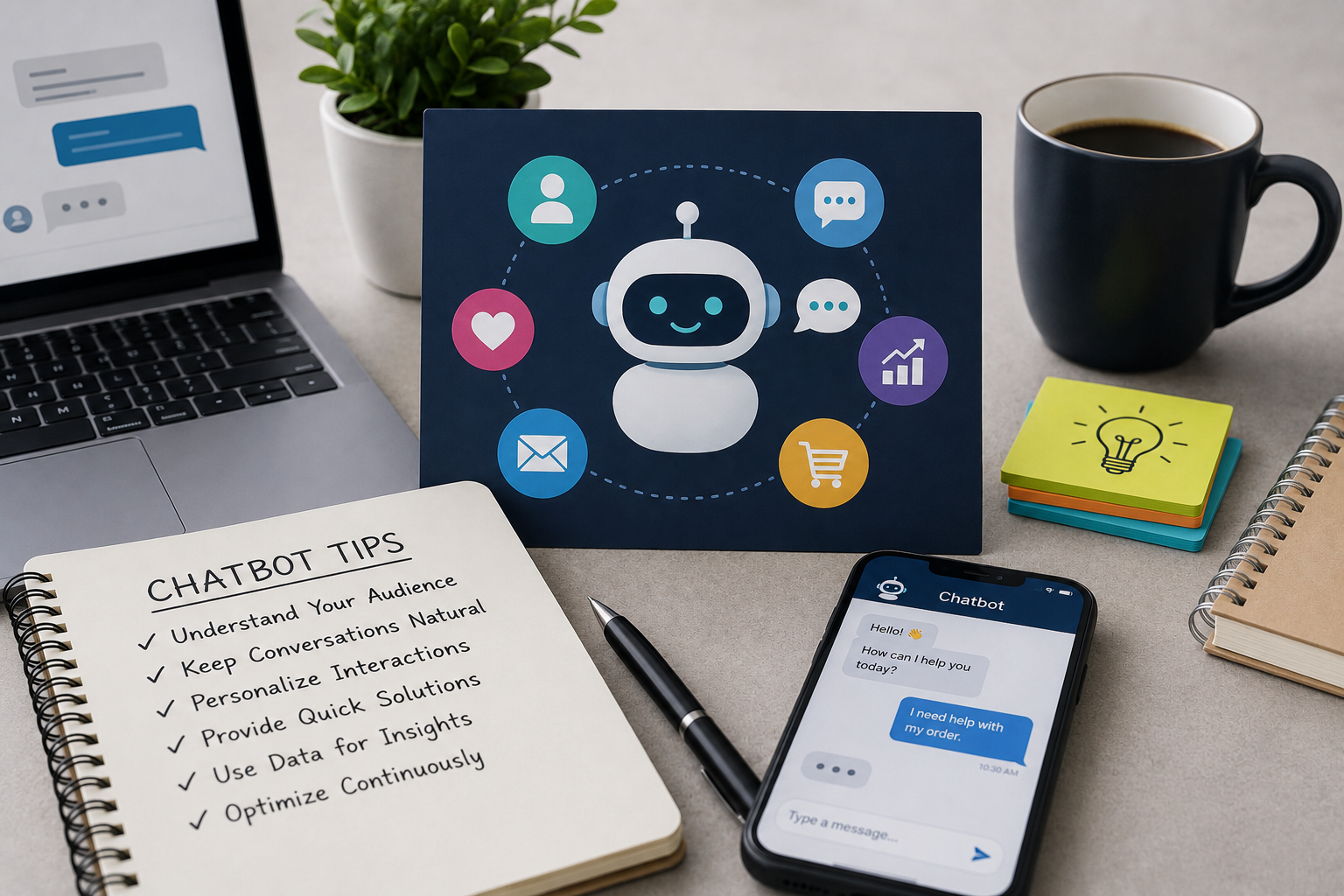
Chatbots in 2026 are no longer simple FAQ tools. They are AI-powered assistants that complete tasks, understand emotions, and work across voice, text, and images. Businesses that use the right chatbot strategy see faster response times, lower support costs, and higher conversions.
Whether you run an e-commerce store, an education consultancy, or a local service business, these 25 chatbot tips for 2026 will help you build a smarter, high-converting AI chatbot.
Top 25 Chatbot Tips for 2026
1. Choose the Right AI Model for Your Business Goal
Not every chatbot needs the biggest AI model. Match the model to the task — simple FAQ bots can run on lightweight models, while sales and support bots need advanced reasoning models for better accuracy.
2. Focus on Agentic AI, Not Just Conversational AI
2026 chatbots don’t just answer questions — they complete tasks. Build bots that can book appointments, process refunds, and update CRM records within a single conversation.
3. Add Voice-First Capability
Voice-first interfaces are becoming standard. Add voice input and output so customers can talk to your chatbot the way they talk to a person.
4. Enable Multimodal Understanding
Modern chatbots understand text, images, audio, and even video. Let customers upload a screenshot or photo and get instant help — this boosts satisfaction and reduces back-and-forth.
5. Personalize Every Conversation with CRM Data
Connect your chatbot to CRM and purchase history. Hyper-personalization — where the bot remembers past orders and preferences — is now the baseline customer expectation.
6. Detect Customer Sentiment in Real Time
Use sentiment analysis so the chatbot recognizes frustration early and either resolves the issue proactively or hands off to a human agent smoothly.
7. Design Seamless Human Handoff
Even the smartest chatbot should know when to escalate. Build a clean handoff flow so customers never repeat themselves to a human agent.
8. Use Retrieval-Augmented Generation (RAG) for Accuracy
Connect your chatbot to your live business data using RAG so it always answers with current information instead of outdated training data.
9. Optimize for Zero-Click and AI Search
Chatbots and AI assistants now pull answers directly from your website content. Structure your pages with clear headings and FAQs so AI systems can quote your business accurately.
10. Automate Lead Qualification
Let your chatbot ask qualifying questions and score leads automatically, so your sales team only spends time on high-intent prospects.
11. Integrate with WhatsApp and Social Channels
Customers expect chatbots on WhatsApp, Instagram, and Facebook Messenger — not just your website. Deploy a unified chatbot across every channel your customers use.
12. Build Industry-Specific Bots
A healthcare chatbot and a retail chatbot need different logic, tone, and compliance rules. Customize your bot’s flow to match your industry’s real use cases.
13. Reduce Response Time to Seconds
Speed is now the top driver of customer satisfaction. Aim for instant, sub-second responses to keep customers engaged and prevent drop-offs.
14. Use No-Code and Prompt-Driven Bot Building
You no longer need a developer to build a chatbot. Prompt-driven, “vibe coding” platforms let you design and update conversation flows in plain language.
15. Add Proactive Engagement Triggers
Don’t wait for customers to ask. Trigger proactive chat messages based on browsing behavior, cart abandonment, or time spent on a page to recover lost conversions.
16. Track ROI with Clear Metrics
Measure resolution rate, cost per conversation, and conversion rate. Businesses report strong first-year ROI from chatbots, but only when performance is tracked and optimized.
17. Keep a Human-in-the-Loop for Sensitive Topics
For billing disputes, medical queries, or complaints, route the conversation to a trained human agent instead of letting the bot attempt a full resolution.
18. Localize Language and Tone
Offer chatbot support in regional languages such as Tamil, Hindi, and English. Local language support builds trust and improves conversions in Indian markets.
19. Use Chatbots for Internal Workflows Too
Beyond customer support, deploy chatbots for internal HR, IT, and finance requests to save employee time on repetitive tasks.
20. Prioritize Data Privacy and Security
Encrypt chat data and follow data protection regulations. Customers are more willing to share information with a chatbot they trust.
21. A/B Test Conversation Flows
Regularly test different greetings, question flows, and call-to-actions to find what converts best for your audience.
22. Add Visual and Rich Media Responses
Use cards, carousels, images, and quick-reply buttons instead of plain text to make conversations easier to follow and act on.
23. Adopt Flat-Rate or Value-Based Pricing Models
When choosing a chatbot platform, prefer flat-rate pricing over per-resolution charges, since AI costs have dropped significantly in 2026.
24. Continuously Retrain with Fresh Data
Update your chatbot’s knowledge base regularly with new products, offers, and FAQs so it never gives outdated answers.
25. Partner with an Experienced AI Chatbot Development Team
Building a high-performing chatbot needs strategy, not just tools. Work with an experienced digital marketing and AI SEO team to align your chatbot with your ranking and lead generation goals.
Why Chatbot Optimization Matters for SEO and Lead Generation
A well-optimized chatbot doesn’t just answer questions — it captures leads, qualifies prospects, and improves user engagement signals on your website, which supports better search rankings. Pairing chatbot automation with a strong SEO and content strategy gives your business a complete digital growth system.
Final Thoughts
2026 is the year chatbots move from “nice-to-have” to a core part of business growth. Start with one or two high-impact tips from this list, measure results, and expand from there.
Need help building an AI-powered chatbot strategy along with SEO and lead generation for your business? Visit Vijay SEO to explore our SEO, AI SEO, and digital marketing services.