
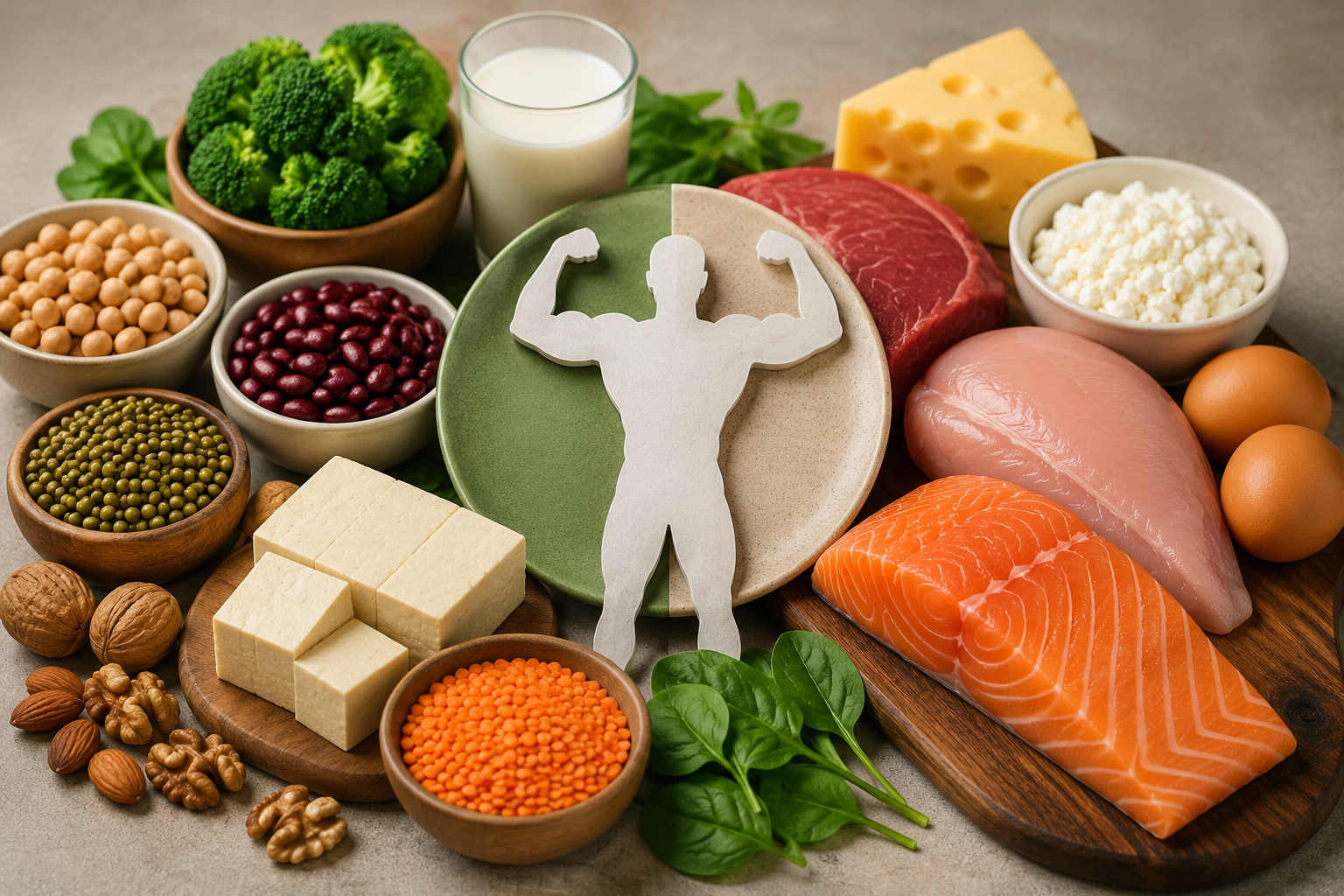
Protein is one of the most important nutrients required for maintaining a healthy and active body. It plays a key role in building muscles, repairing body tissues, supporting immunity, and improving overall wellness. Getting enough protein from daily food helps your body function properly and maintain better strength.
Many people think protein is only necessary for athletes or people who go to the gym, but the truth is everyone needs protein. From children to adults, protein supports growth, energy levels, and a healthy lifestyle. Choosing the right protein-rich foods can make a big difference in your everyday health.
focuses on sharing useful health information that helps people understand nutrition and make better food choices for a balanced lifestyle.
What Is Protein?
Protein is a macronutrient made from building blocks called amino acids. These amino acids help the body perform several important functions, including cell repair, hormone production, and muscle development.
Unlike some nutrients stored in the body, protein needs to be consumed regularly through your diet. A balanced intake of protein helps maintain physical strength and supports long-term health.
Why Is Protein Important for Your Body?
Protein provides several benefits that support different functions of the body.
1. Helps Build and Maintain Muscles
One of the main functions of protein is supporting muscle growth and maintenance. People who exercise regularly require enough protein to repair muscles after physical activity.
Protein helps:
- Build lean muscle
- Improve body strength
- Support faster muscle recovery
- Maintain healthy body structure
2. Supports Body Repair and Recovery
Every day, your body repairs cells and tissues naturally. Protein provides essential nutrients required for this repair process.
It helps in:
- Healing damaged tissues
- Maintaining healthy skin
- Supporting cell growth
- Improving recovery after physical stress
3. Improves Immune System Health
A strong immune system protects the body from infections and health problems. Protein helps produce antibodies that support natural defense functions.
Proper protein intake can help:
- Strengthen immunity
- Support faster recovery
- Maintain overall wellness
4. Helps Maintain Healthy Weight
Protein-rich foods can keep you feeling full for a longer time. This may help control unnecessary snacking and support healthy weight management.
Benefits include:
- Better appetite control
- Increased fullness
- Support for balanced eating habits
5. Supports Healthy Hair, Skin, and Nails
Protein is an important part of healthy skin, strong hair, and nails. Low protein intake can affect their growth and quality.
Protein helps maintain:
- Hair strength
- Skin health
- Nail growth
Best Vegetarian Protein Sources
Vegetarian foods can provide good amounts of protein when included properly in daily meals. There are many plant-based protein sources suitable for a healthy diet.
Top Veg Protein Sources:
1. Lentils (Dal)
Lentils are one of the most common vegetarian protein sources. They also provide fiber and important nutrients.
2. Chickpeas
Chickpeas are rich in protein and can be added to salads, curries, and snacks.
3. Beans
Different types of beans such as kidney beans and black beans provide plant-based protein and energy.
4. Paneer
Paneer is a popular dairy-based protein source that supports muscle health and strength.
5. Milk and Curd
Dairy products provide protein along with calcium, which supports bone health.
6. Soy Products
Soybeans, tofu, and soy chunks are among the richest vegetarian protein foods.
7. Nuts and Seeds
Healthy options include:
- Almonds
- Peanuts
- Chia seeds
- Pumpkin seeds
- Sunflower seeds
They provide protein along with healthy fats.
Best Non-Veg Protein Sources
Non-vegetarian foods usually contain complete proteins with all essential amino acids required by the body.
Top Non-Veg Protein Sources:
1. Eggs
Eggs are affordable and high-quality protein sources. They provide essential nutrients required for overall health.
2. Chicken
Chicken, especially lean cuts, is a popular protein choice for muscle growth and balanced diets.
3. Fish
Fish provides protein along with healthy omega-3 fatty acids that support heart health.
4. Seafood
Seafood varieties like prawns and other options contain quality protein and important minerals.
5. Meat
Meat provides high protein content along with nutrients such as iron and vitamin B12.
How Much Protein Does Your Body Need?
Protein requirements can vary depending on age, activity level, health condition, and fitness goals.
People who may need higher protein intake include:
- Athletes
- Physically active individuals
- Growing children
- Older adults
- People focusing on muscle development
Maintaining a balanced diet with enough protein helps support daily body functions.
Tips to Add More Protein to Your Diet
Improving protein intake does not always require major diet changes. Simple food choices can help you get enough protein.
Follow these tips:
- Include protein in every meal
- Add nuts or seeds as healthy snacks
- Choose dal or beans regularly
- Include eggs or lean protein sources if preferred
- Combine different protein foods for better nutrition
- Maintain a balanced diet with vegetables and whole grains
Protein is an essential nutrient that supports muscle strength, immunity, recovery, and overall health. Including enough protein-rich foods in your daily diet helps maintain an active and healthy lifestyle.
Both vegetarian and non-vegetarian foods provide excellent protein options. Choosing natural protein sources based on your food preferences can help you meet your nutritional needs effectively.
By understanding the importance of protein and selecting the right foods, you can support your body’s daily requirements and long-term wellness.
FAQs
1. Why is protein important for the human body?
Protein helps build muscles, repair tissues, support immunity, and maintain healthy body functions.
2. What are the best vegetarian protein sources?
Some of the best vegetarian protein sources include lentils, beans, paneer, tofu, soy products, nuts, and seeds.
3. Which non-veg foods are high in protein?
Eggs, chicken, fish, seafood, and meat are common non-vegetarian foods rich in protein.
4. Is protein only needed for gym users?
No. Protein is required by everyone because it supports growth, repair, energy, and overall health.
5. Can I get enough protein from vegetarian foods?
Yes. A balanced vegetarian diet with lentils, dairy, soy, nuts, and beans can provide good protein intake.