
Customers today expect brands to know what they want. Generic ads and one-size-fits-all emails no longer get clicks. Personalized marketing changes that by using customer data to deliver the right message, to the right person, at the right time.
If you are just starting out, personalization can feel overwhelming. Between customer data, segmentation, automation tools, and privacy rules, it is easy to not know where to begin. This personalized marketing checklist for beginners breaks the process into simple, actionable steps you can follow right away, no matter the size of your business or industry.
Whether you run an e-commerce store, an education consultancy, a travel website, or a local service business, the same core principles apply: know your customer, segment them correctly, and deliver messages that feel relevant instead of random.
What Is Personalized Marketing?
Personalized marketing means tailoring your content, offers, and messaging based on a customer’s behavior, preferences, location, or past interactions with your brand. Instead of sending the same email to everyone, you send different messages to different customer segments based on what they actually care about.
Examples of personalized marketing include product recommendations based on browsing history, location-based offers, personalized email subject lines, and retargeting ads that show products a visitor already viewed.
Why Personalized Marketing Matters
- Higher engagement: Personalized emails and ads get more clicks than generic ones.
- Better conversions: Relevant offers convert visitors into leads and customers faster.
- Stronger customer loyalty: Customers stay longer with brands that understand their needs.
- Lower marketing cost: Targeted campaigns reduce wasted ad spend.
- Improved SEO and on-site experience: Personalized content keeps visitors on your site longer, which supports better rankings.
Personalized Marketing Checklist for Beginners
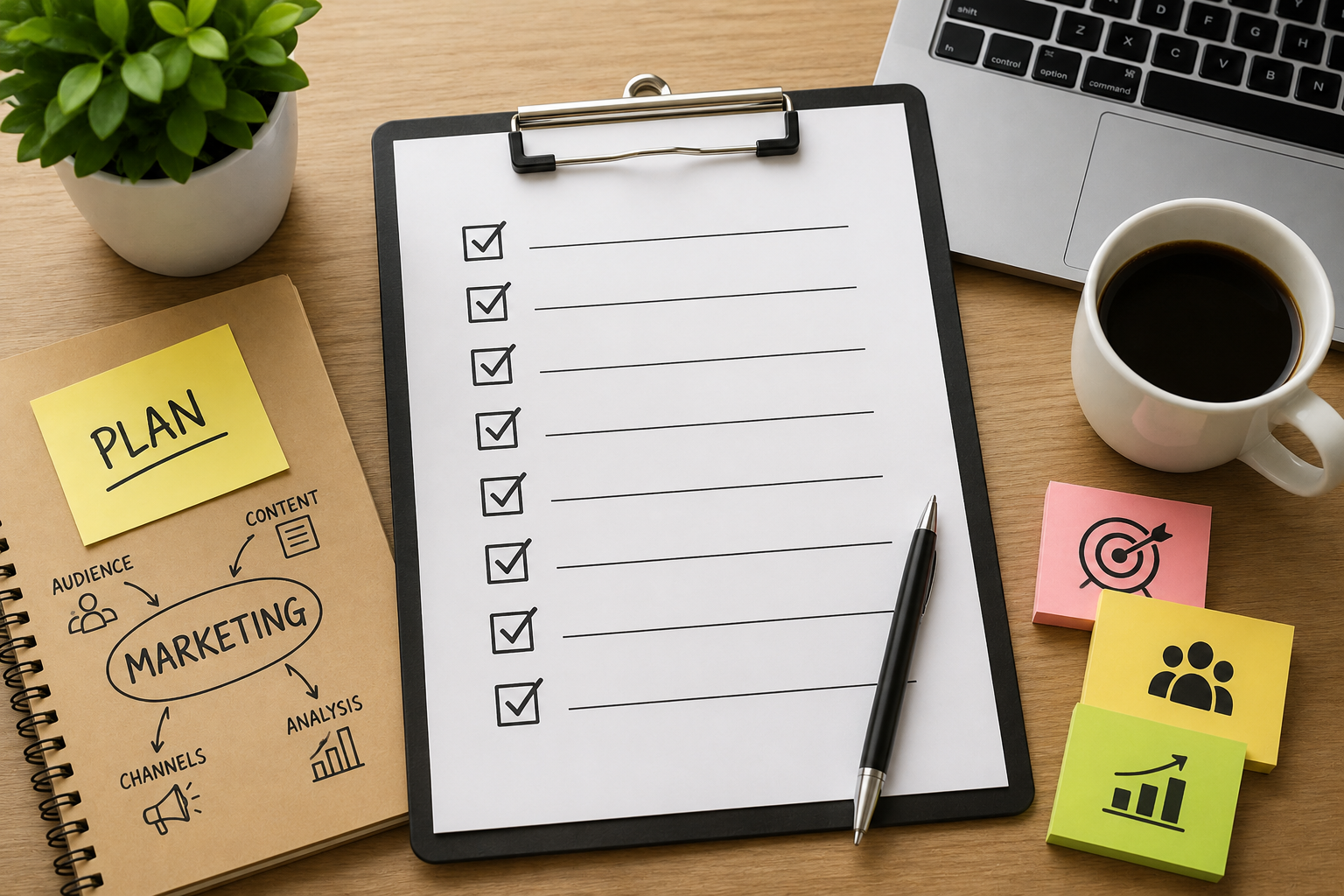
Use this step-by-step checklist to start personalizing your marketing the right way.
1. Collect the Right Customer Data
Personalization starts with data. Before creating any campaign, set up systems to collect:
- Website behavior (pages visited, time spent, products viewed)
- Purchase history and order value
- Location and device type
- Email engagement (opens, clicks, replies)
- Social media interactions
Use tools like Google Analytics, your CRM, and email marketing software to gather this data in one place.
2. Segment Your Audience
Never treat all customers the same. Divide your audience into smaller groups based on shared traits, such as:
- New visitors vs. returning customers
- Location-based segments (city, state, country)
- Purchase behavior (frequent buyers, one-time buyers, cart abandoners)
- Interests or product category preferences
Smaller, well-defined segments let you send more relevant, higher-converting messages.
3. Personalize Your Email Marketing
- Use the customer’s first name in the subject line and email body.
- Send behavior-triggered emails such as cart abandonment reminders and post-purchase follow-ups.
- Recommend products based on past purchases or browsing history.
- Segment your email list and send different offers to different groups instead of one blast to everyone.
4. Add Dynamic Content to Your Website
Show different content to different visitors based on their location, device, or past behavior. For example, display location-based offers, show “recently viewed” products, or change your homepage banner for returning visitors versus first-time visitors.
5. Use Personalized Product or Service Recommendations
Recommend products or services based on what a visitor already searched for or purchased. This works well for e-commerce, education consultancy websites, and service-based businesses offering multiple packages.
6. Run Retargeting Campaigns
Not every visitor converts on the first visit. Use retargeting ads on Google and social media to show relevant products or offers to people who already visited your website but did not convert.
7. Personalize Your Social Media Ads
- Create custom audiences based on website visitors and email lists.
- Use lookalike audiences to reach new customers similar to your best customers.
- Match ad creatives and offers to each audience segment.
8. Use AI and Marketing Automation Tools
AI-powered tools can automate personalization at scale. Use marketing automation platforms to trigger personalized emails, chatbots to answer visitor questions based on their browsing behavior, and AI SEO tools to understand what content your audience actually wants.
9. Personalize Landing Pages
Create separate landing pages for different audience segments, locations, or campaigns instead of sending all traffic to one generic page. Location-specific landing pages, for example, convert better because they speak directly to a local audience’s needs.
10. Test, Measure, and Optimize
- Track open rates, click-through rates, and conversion rates for each segment.
- Run A/B tests on subject lines, offers, and landing pages.
- Review data monthly and refine your segments and messaging.
11. Respect Customer Privacy
Always be transparent about the data you collect. Provide an easy opt-out option and follow data privacy regulations relevant to your region. Trust is the foundation of long-term personalized marketing success.
Best Tools for Beginners to Start Personalized Marketing
You do not need an expensive martech stack to get started. These beginner-friendly tools cover most of the checklist above:
- Google Analytics 4: Tracks visitor behavior, traffic sources, and on-site actions so you know who your segments actually are.
- CRM software (HubSpot, Zoho CRM, Freshsales): Stores customer data and purchase history in one place for easy segmentation.
- Email marketing platforms (Mailchimp, Brevo, ActiveCampaign): Send behavior-triggered and segmented email campaigns automatically.
- Meta Ads Manager and Google Ads: Build custom and lookalike audiences for retargeting and personalized ad campaigns.
- AI chatbots and automation tools: Answer visitor questions instantly and route leads based on their intent and browsing behavior.
Start with one or two tools, master them, and add more as your data and campaigns grow. Trying to set up every tool at once is one of the biggest reasons beginners give up on personalization too early.
How to Build a Personalized Marketing Strategy Step by Step
Once you understand the checklist, follow this simple process to turn it into a working strategy:
- Step 1: Audit your current data. Check what customer information you already have in Analytics, your CRM, and your email tool.
- Step 2: Pick two or three high-impact segments to start with, such as cart abandoners and repeat customers, instead of trying to personalize everything at once.
- Step 3: Create one personalized campaign per segment, such as a cart recovery email or a location-based landing page.
- Step 4: Launch, track performance for two to four weeks, and compare results against your non-personalized campaigns.
- Step 5: Scale what works. Add new segments and channels gradually as your team and tools mature.
This step-by-step approach keeps personalization manageable, even for small teams and solo marketers who are just getting started.
Frequently Asked Questions
1. Is personalized marketing only for large businesses?
Even a small business can personalize emails, landing pages, and offers using free or low-cost tools like Google Analytics and Mailchimp.
2. How much customer data do I need to start?
You can start with basic data like name, location, and browsing behavior. You do not need advanced data science to begin.
3. What is the fastest personalized marketing win for beginners?
Cart abandonment emails and welcome email sequences with the customer’s name usually deliver quick, measurable results.
4. How is personalized marketing different from mass marketing?
Mass marketing sends one message to everyone, while personalized marketing sends tailored messages based on each segment’s behavior and interests.
Common Mistakes Beginners Should Avoid
- Over-personalizing: Referencing too much private detail can feel intrusive rather than helpful, so keep personalization natural and useful.
- Using outdated or incorrect data: Bad data leads to irrelevant offers, which damages trust faster than no personalization at all.
- Ignoring mobile users: Most traffic is mobile, so personalized emails, ads, and landing pages must be tested on mobile devices too.
- Personalizing only one channel: Focusing on email alone while ignoring your website and ads creates an inconsistent customer experience.
- Skipping testing: Launching personalized campaigns without A/B testing makes it hard to know what is actually driving results.
Quick-Start Personalized Marketing Checklist
Use this condensed checklist as a quick reference once you have gone through the full guide above:
- Set up data collection tools (Analytics, CRM, email software)
- Segment your audience into 3–5 core groups
- Personalize email subject lines and content
- Add dynamic, location-based content to your website
- Launch a retargeting campaign
- Create custom and lookalike audiences on social media
- Use at least one AI or automation tool
- Build location or segment-specific landing pages
- Set up monthly performance tracking
- Review and update your privacy policy
Final Thoughts
Personalized marketing is no longer optional, it is what today’s customers expect. Start small, follow this checklist step by step, and you will see stronger engagement, better lead quality, and higher conversions over time.
If you want expert help building a personalization and SEO strategy for your business, Vijay SEO offers complete digital marketing services including SEO, local SEO, website development, and lead generation to help you grow faster.